Get Electrical Outlet Relocation
Electrical outlet relocation services help property owners solve wiring and placement issues by connecting with local contractors who can safely move outlets during renovations or remodeling projects.
Electrical outlet relocation is a practical upgrade for property owners looking to improve convenience, enhance safety, or accommodate new appliances and technology. Whether updating a kitchen layout, creating a more functional workspace, or redesigning a living area, moving outlets can make a significant difference in how a space is used. By exploring options with local contractors who specialize in electrical services, property owners can ensure the work aligns with their specific needs and existing wiring systems, making the planning process smoother.
For those considering electrical outlet relocation, it’s helpful to compare local service providers who understand the unique requirements of properties in the area. Connecting with experienced contractors can provide insights into the most effective solutions for your project, whether for a residential or commercial property. Keep reading to learn more about how local professionals can assist in planning and executing outlet relocations tailored to your property’s layout and your goals.
- Electrical outlet relocation - needed when adding new rooms or expanding existing spaces.
- Kitchen remodels - require outlet repositioning to accommodate new appliances and layouts.
- Home renovation projects - involve moving outlets to meet updated design plans.
- Electrical system upgrades - may include relocating outlets to improve safety and functionality.
- Garage or basement finishing - often require outlet adjustments to support new electrical needs.
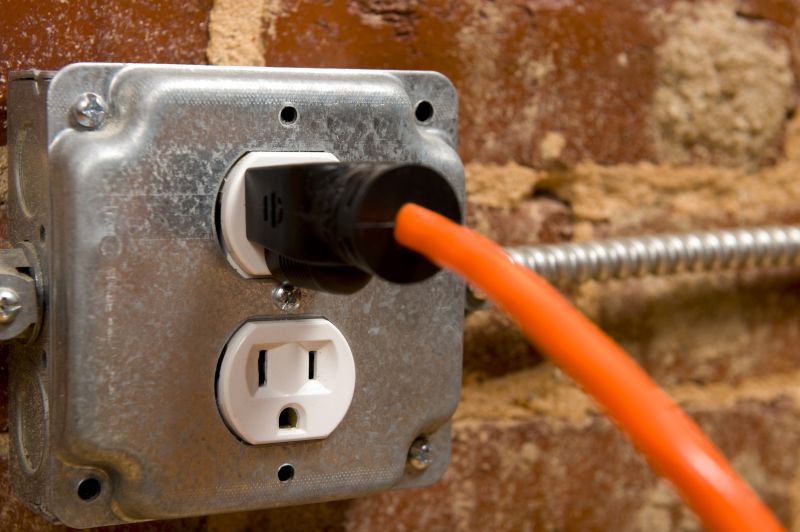
Electrical outlet relocation services involve moving existing outlets to new positions within a property to better suit the layout and functionality of a space. This process typically includes disconnecting the current outlets, installing new wiring if necessary, and securely mounting outlets in the desired locations. These services are often performed to improve convenience, enhance safety, or accommodate renovations such as kitchen remodels, home office setups, or room expansions. Skilled contractors ensure that the work complies with electrical standards, providing a safe and reliable solution for homeowners needing outlet repositioning.
Relocating electrical outlets helps solve common problems related to outdated or poorly placed outlets that no longer meet the needs of a household. For example, outlets located far from furniture or appliances can cause inconvenience and clutter. Additionally, outlets in inconvenient locations may limit the placement of electronics or appliances, leading to unsightly extension cords or unsafe setups. Moving outlets can also address safety concerns by reducing the risk of tripping hazards or overloading circuits. These services are ideal for homeowners undertaking interior renovations, installing new appliances, or reconfiguring room layouts for better accessibility and safety.
Property types that often utilize outlet relocation services include single-family homes, condominiums, apartments, and multi-unit residential buildings. Homeowners planning kitchen upgrades, media room installations, or home office setups frequently need outlets moved to optimize space and functionality. Commercial properties, such as retail stores, offices, or restaurants, may also require outlet relocations to support new layouts, equipment, or customer flow. Regardless of the property type, these services help create a more practical and organized electrical setup that aligns with the evolving needs of the space.
Homeowners who experience issues like outlets that are inconveniently placed, inaccessible, or no longer suitable for their electrical devices may find outlet relocation services beneficial. These services can also support remodeling projects, ensuring that electrical outlets are positioned to match new furniture arrangements or appliance locations. By working with experienced local contractors, property owners can enhance both the safety and usability of their electrical systems. Contacting a professional can provide the expertise needed to assess the existing wiring and determine the best approach for relocating outlets effectively.
The overview below groups typical Electrical Outlet Relocation projects into broad ranges so you can see how smaller, mid-sized, and larger jobs often compare in your area.
In many markets, a large share of routine jobs stays in the lower and middle ranges, while only a smaller percentage of projects moves into the highest bands when the work is more complex or site conditions are harder than average.
Smaller Repairs - Relocating a single electrical outlet typically costs between $150 and $400. Many routine jobs fall within this range, especially if the work involves minimal wiring adjustments or surface-mounted outlets.
Full Outlet Replacement - Replacing an existing outlet with a new one generally ranges from $200 to $600. Most projects in this category are straightforward and stay within the middle of this range, with fewer reaching the higher end for additional upgrades.
Multiple Outlets or Circuit Additions - Extending or adding multiple outlets can cost between $600 and $1,500. Larger projects that involve significant wiring and circuit modifications tend to push costs into the higher tiers, but many jobs remain in the lower to middle ranges.
Complex or Custom Installations - Larger, more complex outlet relocations, such as those requiring extensive wiring or structural modifications, can reach $2,500 or more. These projects are less common and typically involve specialized work by experienced local contractors.
Actual totals will depend on details like access to the work area, the scope of the project, and the materials selected, so use these as general starting points rather than exact figures.
Lighting Fixture Installation - this project involves planning and wiring skills similar to relocating electrical outlets to ensure proper power distribution and safety.
Home Wiring Upgrades - upgrading or modifying home wiring systems requires precise planning and knowledge of electrical layouts, akin to outlet relocation tasks.
Kitchen or Bathroom Electrical Rewiring - rerouting electrical circuits in these spaces involves careful planning and the use of specialized tools, similar to outlet repositioning.
Electrical Panel Replacement - replacing or upgrading an electrical panel involves understanding wiring systems and planning for new outlet placements.
Basement or Attic Wiring Projects - extending or relocating wiring in these areas requires detailed planning and skill similar to outlet relocation services.
Circuit Breaker Panel Upgrades - upgrading circuit breaker panels involves rerouting and managing electrical connections, comparable to outlet relocation work.
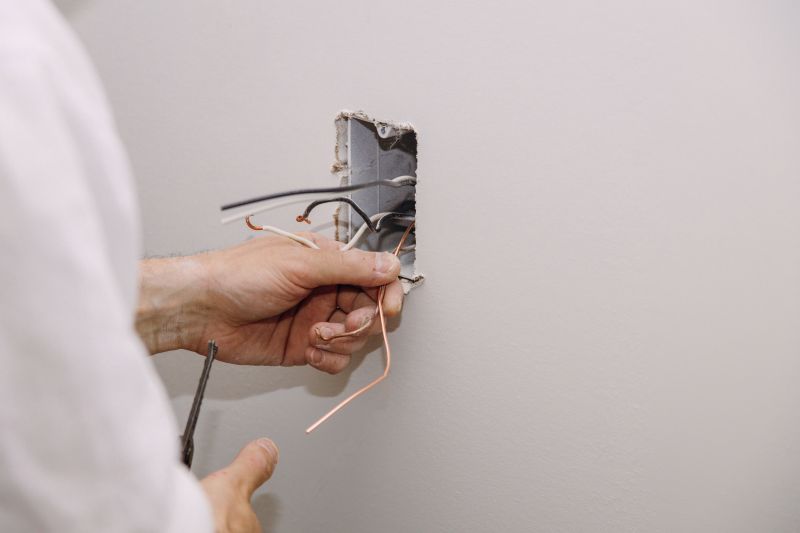
When evaluating service providers for electrical outlet relocation, it’s important to consider their experience with similar projects. Homeowners should inquire about the contractor’s background in handling outlet relocations, ensuring they have a history of completing such work efficiently and correctly. An experienced local contractor will be familiar with common challenges and best practices, which can contribute to a smoother process and a more reliable outcome. While formal training or certification may not be explicitly required, a demonstrated track record of successful projects can provide confidence in their ability to meet the specific needs of the job.
Clear, written expectations are essential when comparing local electrical contractors. Homeowners should seek detailed descriptions of the scope of work, including the number of outlets to be relocated, the method of installation, and any necessary adjustments to existing wiring or fixtures. Having these details in writing helps prevent misunderstandings and ensures everyone is aligned on the project’s requirements. Service providers who communicate openly and provide comprehensive estimates or proposals can make it easier to compare options and select a professional who can deliver the results desired.
Reputable references and good communication are key indicators of a reliable service provider. Homeowners are encouraged to ask for references from previous clients who had similar outlet relocation work done. Feedback from past clients can reveal insights into the contractor’s professionalism, punctuality, and quality of work. Additionally, a contractor’s responsiveness and clarity during initial contact can reflect their overall approach to customer service. By focusing on these qualities, homeowners can better assess which local pros are well-regarded within the community and likely to provide a positive experience, making it easier to connect with trusted professionals for the project.
Property owners use Electrical Outlet Relocation services for practical projects around their homes and businesses. This guide focuses on everyday jobs and straightforward project options.
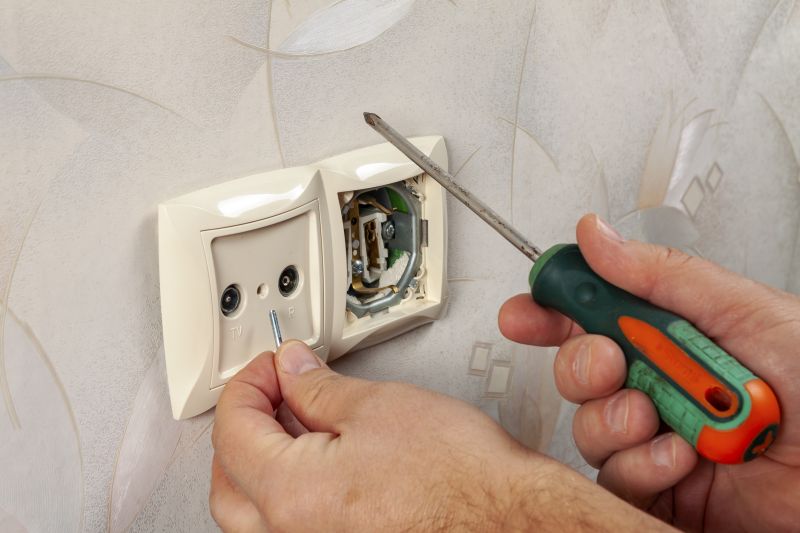
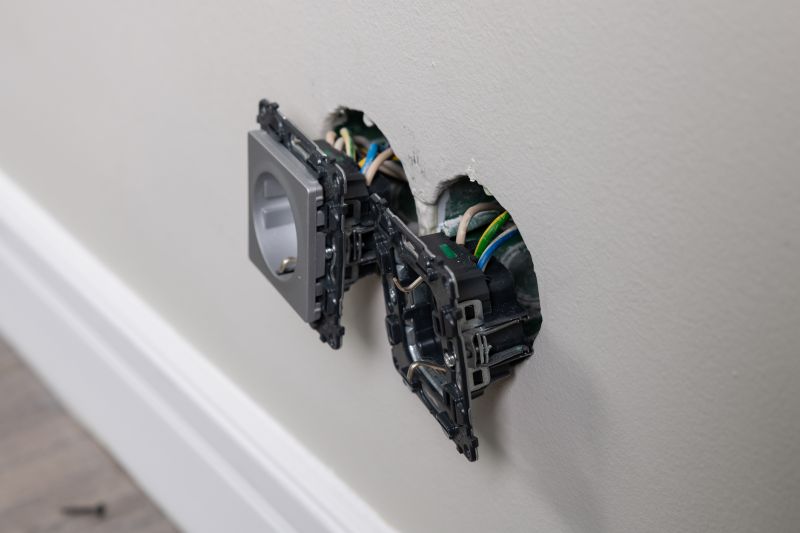
Electrical outlet relocation services are often needed during home renovations, room reconfigurations, or when installing new appliances. Property owners might seek these services to improve convenience, create more accessible power sources, or update outdated wiring setups. Whether expanding a kitchen, finishing a basement, or reimagining a living space, local contractors can handle the task of safely moving outlets to better suit the new layout.
Additionally, outlet relocation can be essential when upgrading electrical systems or addressing safety concerns. Homeowners may want to reposition outlets for better placement in furniture arrangements or to comply with current building standards. Local service providers are equipped to assist with these adjustments, ensuring the electrical system is both functional and properly integrated into the property's existing wiring infrastructure.
What does electrical outlet relocation involve? Electrical outlet relocation involves moving an existing outlet to a new location, which may require rerouting wiring and installing new electrical boxes to ensure proper function and safety.
Can outlet relocation be done in any part of a home? Many local contractors can handle outlet relocation in various areas of a home, including living rooms, kitchens, and bedrooms, depending on the existing wiring and electrical system.
Is outlet relocation safe to perform myself? Electrical outlet relocation should be performed by qualified service providers to ensure safety and compliance with electrical standards, especially when working with wiring and electrical boxes.
What should be considered before relocating an outlet? Factors such as the location of existing wiring, the type of wall or surface, and the purpose of the outlet are important considerations that local professionals can assess.
How do local contractors handle outlet relocation projects? Service providers typically evaluate the site, plan the wiring route, and perform the relocation with appropriate tools and techniques to ensure proper installation and functionality.
Rearranging outlets for home office setups - property owners can improve workspace comfort and functionality by relocating outlets to better suit their electronic device placement.
Adding outlets in new or remodeled rooms - homeowners planning renovations can ensure sufficient power sources for appliances, lighting, or entertainment systems.
Upgrading outlets for safety and convenience - property owners may want to move outlets to safer or more accessible locations, such as higher on walls or away from water sources.
Creating dedicated charging stations - relocating outlets to specific areas can provide convenient spots for charging devices and reducing clutter.
If you are thinking about Electrical Outlet Relocation for a property, this guide is meant to help you understand the work, the typical project types, and how different options might fit your plans.
When you are ready, you can use the quote form on this page to share a few details about your project. From there, local pros can review the basics and respond with options that match what you have in mind.